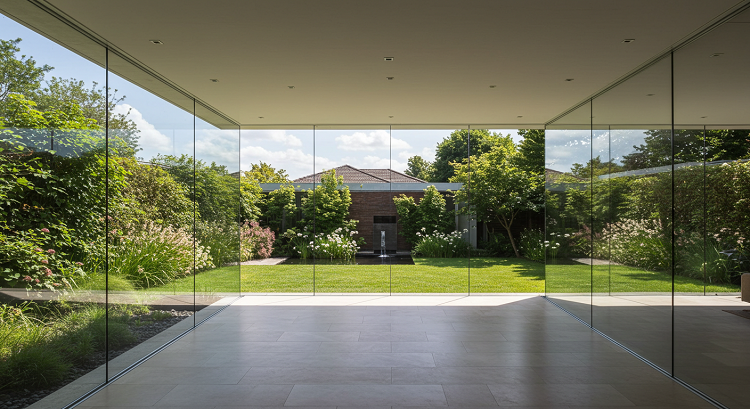
Modern workspaces demand smart design. Light and sound shape how people feel and perform. Spaces that are too loud distract focus. Spaces that are too dark feel heavy and dull. The solution lies in creating balance. A workspace should feel open and bright yet quiet and private. The challenge is blending these elements without sacrificing style. Today’s office needs to welcome both transparency and tranquillity. This is where glass partitions come into play.
Table of Contents
Designing for Light and Quiet
Many offices now use glass walls for a clean look. These walls allow natural light to flow freely. They make small areas appear open and inviting. However not all glass partitions block noise. Some let in unwanted sounds that disturb conversations. This can affect meetings privacy and work output. Designers must find ways to let in the light but keep out the noise. This balance creates a space that looks good and works better.
Choosing the Right Glass Type
Not all glass types reduce sound the same way. Thicker glass blocks more noise than thinner panels. Laminated glass includes special layers to soften and stop sound waves. Low iron glass reduces tint and enhances light flow. Every type has benefits depending on the space.
The frame also plays a key role in blocking sound. Tight seals reduce sound leaks. Some systems use gaskets that hold glass tightly in place. Others include double glazing for better performance. The goal is to trap sound before it moves between rooms. Good design includes both the glass and the frame. The right match ensures better results.
Maintaining a Sense of Openness
Acoustic control often means adding walls. This can make spaces feel closed and tight. But glass changes that. Even in private rooms people feel part of the larger area. This improves team morale and keeps the space feeling fresh. The open feeling improves daylight flow. Natural light reaches deeper into the office. Workers feel more alert and focused. Bright spaces also reduce the need for strong artificial lighting. This can lower energy use and improve sustainability. So the same wall that softens noise can also enhance the light.
Meeting Rooms and Quiet Zones
Meeting rooms need good sound control. Glass partitions with proper seals offer great control here. These walls also allow others to see if a room is free or in use. This avoids confusion and helps manage space better. Quiet zones are also growing in importance. These spaces allow people to focus away from busy areas. Demountable systems help create such zones quickly. They can be moved or adjusted as needs change. This gives more value to the office over time. Flexibility and function go hand in hand. Modern offices are embracing designs that support focus and collaboration, and Urban Splatter like sources highlight how adaptable spaces can enhance both productivity and comfort in the workplace.
Installing Without Disrupting Work
Construction often causes noise and delays. But demountable partitions avoid these issues. These systems need less time to install than permanent walls. They also create little dust and no damage. Work can continue with less disturbance. Some systems even arrive pre-assembled to save more time.
Conclusion
A well-designed workspace supports its people. The balance of light and sound shapes how people feel and work. Demountable glass partitions help achieve this balance with style and ease. They support change without major effort. They improve both form and function. Offices feel open yet remain quiet. The result is a space that works harder and feels better.
